Tiler Business SystemsBuild your own tiling systems on your own job data, so set out, waterproofing records and ordering go right without you there.
Tiler business systems, built by the owner on the owner's own data. This page is for tiling business owners who want the site check, substrate and membrane records, set out, tile and adhesive ordering and handover photos done the same way on every job, shaped around how their bathrooms and floors run and how their customers buy, instead of around generic software.

The week this is about
Sound Like Your Tiling Business?
Every job runs out of your head
The tile count, the trim, the movement joints, which builder wants photos before the screed goes down. It all lives in your memory and a notes app. Take a week off and the whole thing stops with you.
No record when the defect letter arrives
Two years on, a builder claims your membrane failed. You know you flood tested it. You cannot prove it, because the photos are on an old phone and nothing was signed off. Without a record you wear the rectification.
Reordering tiles because nobody checked wastage
The order went in without a proper wastage allowance, the pattern needed more cuts than you counted, and the batch is now discontinued. Two days lost, a builder annoyed, and the difference comes out of your margin.
A tiling business that only runs when you are on the trowel is a job with extra paperwork, and it is worth nothing the day you want to sell it or stop.

Data First Coaching
Tiler Business Systems, Built on Your Own Data.
Data First Coaching starts from your own job and finance data. On that data you build the systems, software and business apps your tiling business actually needs, shaped around how your jobs run and how your customers buy, and AI agents take the office work. Greg Allan works it through with you.
How most coaching works
Most coaching for tilers starts with the owner explaining the business.
- The first hours go on the owner describing the tiling business to a coach: the jobs, the crew, the customers, the money.
- The picture is out of date within weeks, because the numbers move every week.
- So the advice treats what the owner happened to notice, which is usually a symptom.
- Too often it comes from someone who has never run a tiling business, or any trade business at all.
- The owner pays for the explaining, then pays again when the advice does not fit.
Data First Coaching
Data first starts from your tiling business's numbers, not your memory.
- The Trade Business Intelligence Agent reads your job management and finance systems first.
- It sees your quotes, jobs, time on site and money as they are this week, the way tilers actually make and lose it.
- It finds where the problem actually starts, not where it shows up.
- You put in the system that fixes it at the root, and the data shows whether it worked.
Which of these is the root cause in your tiling business?
- Every job runs out of your head
- No record when the defect letter arrives
- Reordering tiles because nobody checked wastage
Usually one of them is causing the others. Data first means your own numbers answer that before anybody guesses, so the fix goes where the problem starts.
| Rented software | Built on your own data | |
|---|---|---|
| Built for | Every trade at once | How your jobs actually run |
| Your data | Lives in somebody else's system | Yours, and it answers your questions |
| The cost | A subscription per seat, every month | What you build, kept as long as it earns its place |
| When it does not fit | Work around it, or wait for an update | Change it, because you built it |
| The office work | Still lands on you or an office wage | AI agents do it your way, people stay on customers |
| Where you start | A sales demo | Your own numbers, read by the Trade Business Intelligence Agent |
Fix the root cause, once
The data names the real problem, so the system you put in fixes it once instead of patching the same symptom every month.
Own your software
Build your own tools on your own data, shaped around how your jobs run and how your customers buy. Cancel the subscriptions and agencies that were never built for your business.
A more human business
Agents do the non-billable work: the quoting, invoicing, chasing and reporting. Your people spend the day on customers and the crew, so relationships get better and the team performs.
Business systems, built by you
Here Is What We Do About It.
You start with Greg Allan's Data First Coaching. The Trade Business Intelligence Agent reads your job management and finance data first, so it sees which bathrooms ran over on screed and prep, where wastage ate the margin and which builders pay late. Then you build your own systems on that data with Greg and the group, starting in the free Tradies App, and AI Club shows you how agents keep them running.
Data First Coaching
Greg Allan and the Trade Business Intelligence Agent start from your own job and finance data, then you build what fixes the root cause.
The Academy waitlist
The Academy is at full capacity. Join the waitlist and when a place opens, Greg interviews the owners who look like the right fit.
AI Club
Weekly live workshops building the automations that take the admin off you.
How it works
Three Steps, Starting Tonight.
Let your data pick the first system
The Trade Business Intelligence Agent reads your jobs, quotes and money, and shows where the problem actually starts. That is the system you build first.
Build it your way, with Greg
You build the system yourself, shaped around how your jobs really run, with Greg and the group checking it against your numbers.
Put an agent on the steps nobody bills for
Once the system is written, AI agents run the office steps in it, the way you would, so the crew follows it and you stop being the one everything waits on.
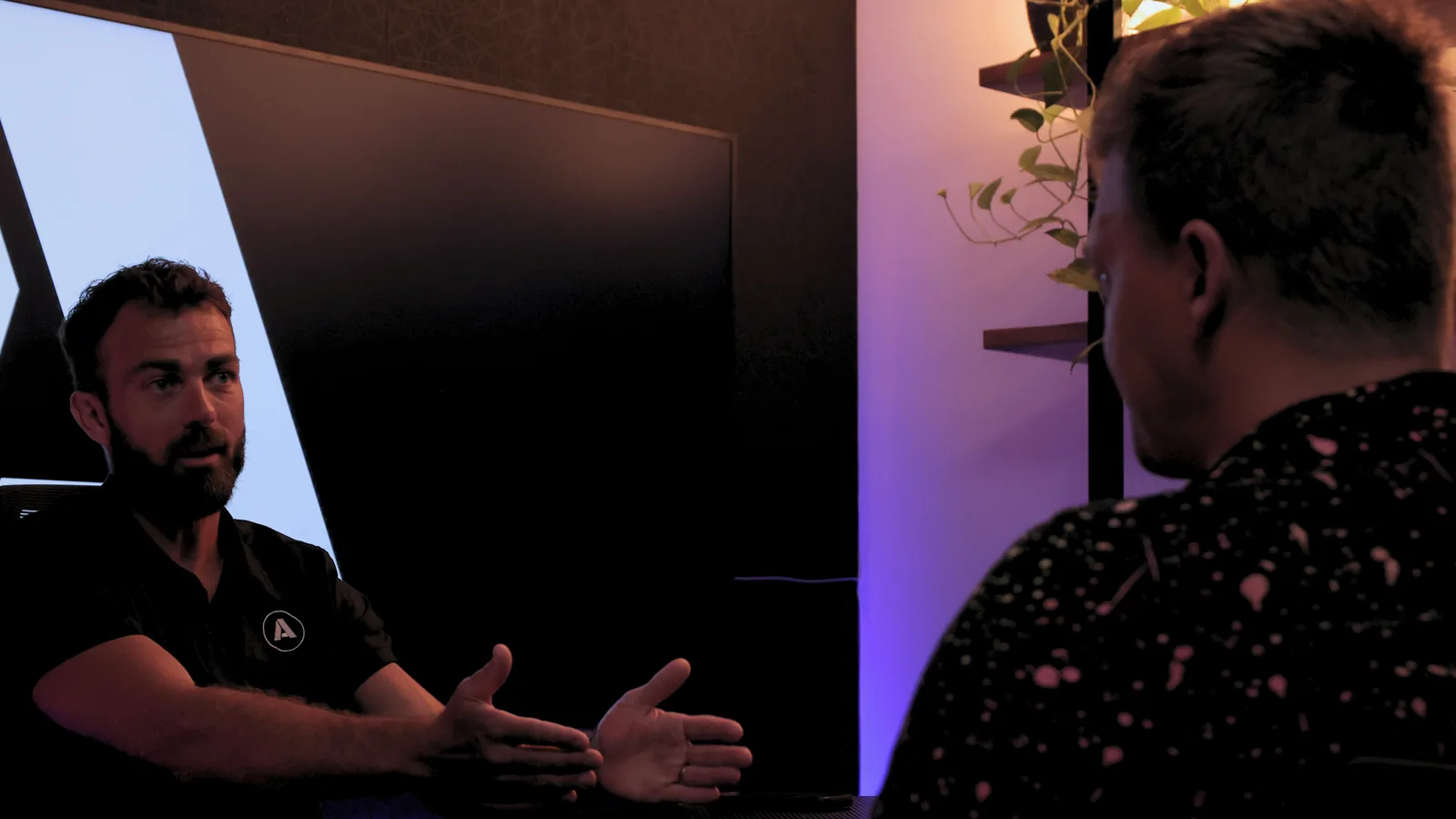
Why Greg
You speak to the owner who has already done it.
Greg built Response Electricians in Perth into a 30+ staff business with 1,950+ five-star reviews. A general manager runs it.
He has trained 9,000+ trade business owners across Australia and New Zealand.
He grew a coaching company to 35 staff, a CEO and 15 coaches, then cut it back so every owner deals with him directly.
Most coaching companies hand you to a salesperson, then to a coach who has never run a trade business. Here you get the owner.
What changes for you
The old way. The new way.

More customers meant more people doing the computer work, and more wages nobody invoices.

You stay with your customers and your team. The office stops landing on you.
The old way
More jobs. More paperwork. Less of the owner left.
Most trade businesses grow the same way.
More jobs means more quoting, invoicing, chasing and scheduling.
None of it gets paid for.
So the owner does it at night, after a full day on site.
Or hires an office person to do it.
The office grows. The wages grow. The margin does not.
And the owner is still the one everything waits on.
Where we take you
More work. More profit. More of you left.
The phone rings with the jobs you want, at the price you set.
You grow when you're ready, never faster than the business can carry.
Every job is priced to make money, so the busy months show up in the bank.
The best tradies in your area want to work for you, and they stay.
The chasing, the paperwork and the 9pm admin stop landing on you.
The business runs the day. You pick which parts of it you're in.
Bigger, without the headaches. Getting bigger stops meaning getting busier.
What changes
What Tiling Business Systems Actually Changes.
Three things tiling business owners walk away able to do.
Run the same site check on every job before a tile goes down.
Keep a photo record of every membrane and flood test that holds up years later.
Order tiles with the right wastage and batch, from your own past jobs.




Questions
Tiler Business Systems, Answered.
What systems does a small tiling business actually need first?
Will systems slow me down when I am already flat out?
How does AI help a tiling business that is on site all day?
Tilers
The Other Ways We Help Tilers.
Tiler Business Training
Structured training that turns what tilers know on the tools into a business that runs properly.
CoachingTiler Business Coach
Greg Allan in your corner, holding tilers to the plan. By application.
SoftwareTiler Business Software
Software tilers build on their own data, instead of renting tools built for every trade at once.
Business appsTiler Business Apps
The simple screens tilers build for their crew and customers, on their own data.
AIAI for Tiling Businesses
AI agents that do the office work for tilers, their way, so people stay on customers and the crew.
Marketing and leadsTiler Business Marketing
How tilers get the phone ringing with the jobs worth having, not just the cheap ones.
Pricing and profitTiler Business Pricing
The number tilers should actually be charging, worked out properly rather than guessed.
Hiring and teamTiler Business Hiring
How tilers build a crew that does it right without being watched.

Join the Waitlist to Work With Greg.
The Crew, daily Q&A and starter courses. Free for trade business owners. No card, no trial clock.
The Academy is at full capacity. Join the waitlist and when a place opens, Greg interviews the owners who look like the right fit.