TradesPlasterersPricing and profit
Plasterer Business PricingPer sheet or per square metre, you picked the number off what the market pays, not what it costs you.
Pricing for plastering business owners: what to charge per sheet, per square metre and per hour so the number covers award labour, materials, waste, travel and the callbacks, and still leaves a margin worth working for.
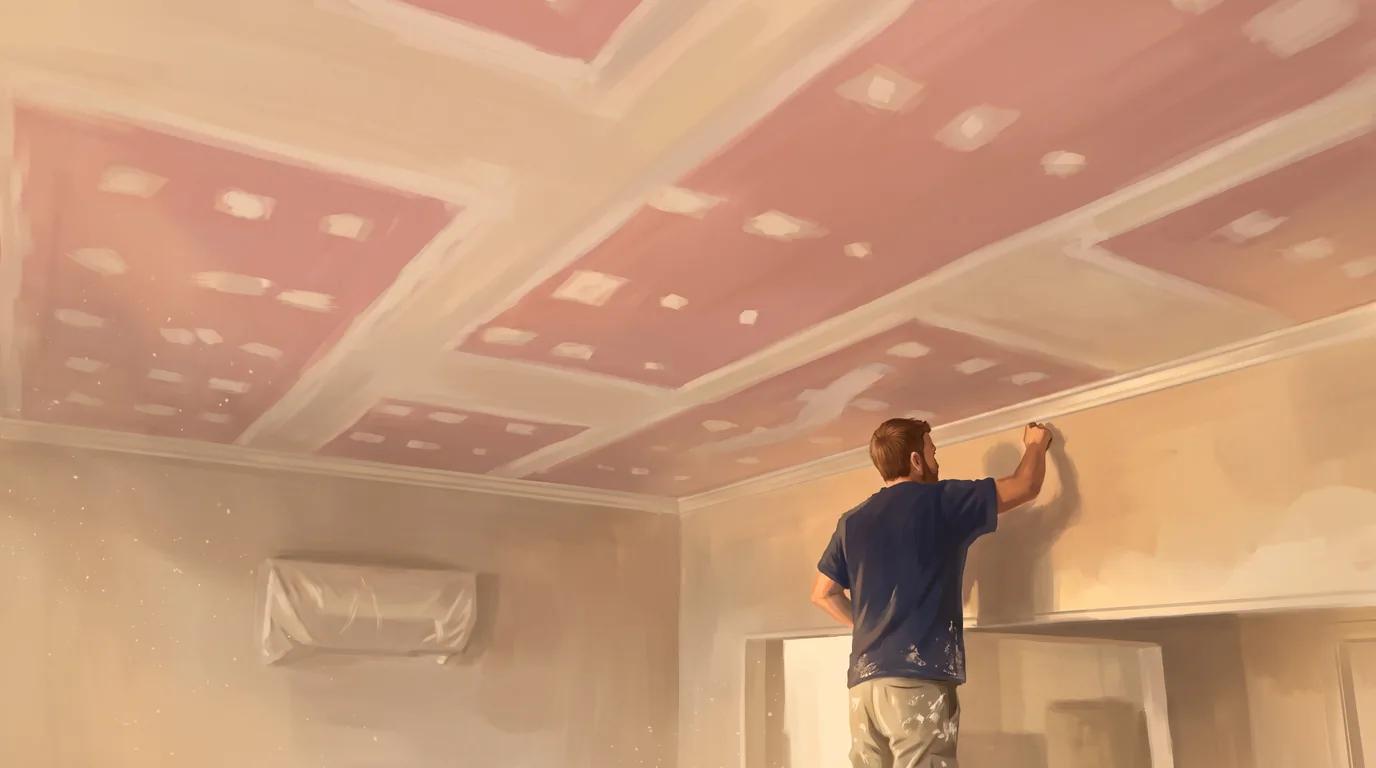
The week this is about
Sound Like Your Plastering Business?
Your rate came from what the last bloke charged
You set your per square metre rate by asking around and shading it a little to win the run. Nothing in that number came from your own labour cost, your own waste, your own travel or the days you lose waiting for a frame.
Level 5 gets quoted at level 4 money
The spec says flat under critical lighting, the builder says just do it properly, and you price it like a standard set. Then you skim the whole wall twice, sand it again and wear the extra days out of your own margin.
The volume work keeps you busy and broke
The builder offers a whole estate at a tight rate and you take it because it fills the crew. Twelve months later the trucks are rolling, everyone is flat out, and there is no more money in the bank than when you started.
A rate that is a few dollars per square metre short does not look like much on one job, but across a year of volume work it is the whole wage you never paid yourself.

Pricing and profit
Here Is What We Do About It.
The Profitable Pricing Masterclass shows you how to build a rate from your own costs, and the Profit & Freedom Masterclass shows you what to do with the margin once it is there. The Learning Hub and Greg then hold the price when the builder pushes back.
Free tool, no sign-up
Charge-out rate calculator
Put in what labour costs you, how many hours you can actually invoice and what the business spends, and it builds the rate that covers all of it and leaves a margin. It runs in your browser and nothing you type is sent anywhere.
Work out your rateHow it works
Three Steps, Starting Tonight.
Work out what an hour really costs you
Not the wage. The wage plus the ute, the insurance, the phone, the unbilled hours and the time you spend quoting. Most owners have never put that number on paper.
Price off the number, not off the last bloke
The Profitable Pricing Masterclass takes you through building a rate that carries your overheads and a margin, so you stop pricing against whoever is cheapest this month.
Hold the price and watch what happens
The Profit and Freedom Masterclass covers the part nobody warns you about: what to do when someone pushes back, and why losing the wrong job is a win.

Why Greg
You speak to the owner who has already done it.
Greg built Response Electricians in Perth into a 30+ staff business with 1,950+ five-star reviews. A general manager runs it.
He has trained 9,000+ trade business owners across Australia and New Zealand.
He grew a coaching company to 35 staff, a CEO and 15 coaches, then cut it back so every owner deals with him directly.
Most coaching companies hand you to a salesperson, then to a coach who has never run a trade business. Here you get the owner.
What changes for you
The old way. The new way.
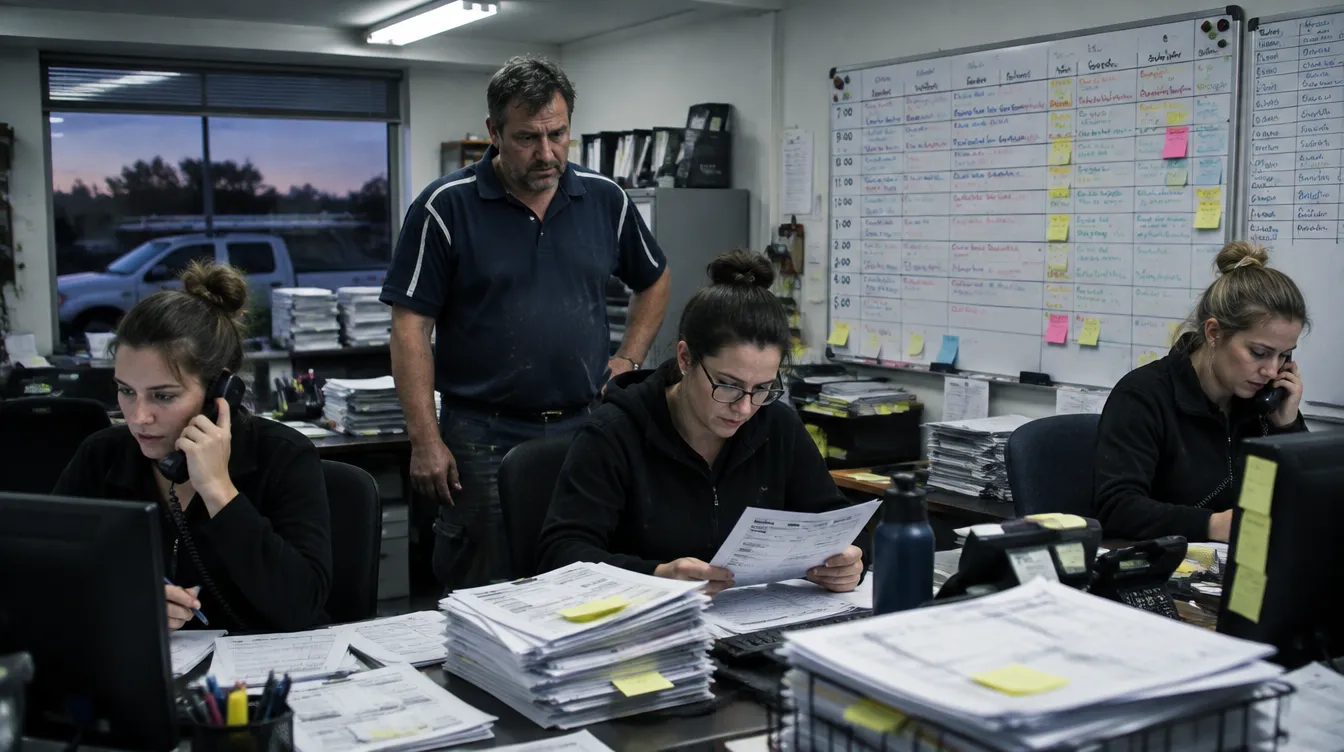
More customers meant more people doing the computer work, and more wages nobody invoices.

You stay with your customers and your team. The office stops landing on you.
The old way
More jobs. More paperwork. Less of the owner left.
Most trade businesses grow the same way.
More jobs means more quoting, invoicing, chasing and scheduling.
None of it gets paid for.
So the owner does it at night, after a full day on site.
Or hires an office person to do it.
The office grows. The wages grow. The margin does not.
And the owner is still the one everything waits on.
Where we take you
More work. More profit. More of you left.
The phone rings with the jobs you want, at the price you set.
You grow when you're ready, never faster than the business can carry.
Every job is priced to make money, so the busy months show up in the bank.
The best tradies in your area want to work for you, and they stay.
The chasing, the paperwork and the 9pm admin stop landing on you.
The business runs the day. You pick which parts of it you're in.
Bigger, without the headaches. Getting bigger stops meaning getting busier.
What changes
What Plastering Business Pricing Actually Changes.
Three things plastering business owners walk away able to do.
Build a per square metre rate from your own labour, waste and travel costs
Quote a level 5 finish at a price that pays for the extra coats
Walk away from volume work that keeps the crew busy and loses money




Questions
Plasterer Business Pricing, Answered.
What should a plasterer charge per square metre in Australia?
How much more should I charge for a level 5 finish?
What margin should a plastering business be making?
Plasterers
The Other Ways We Help Plasterers.
Plasterer Business Training
Structured training that turns what plasterers know on the tools into a business that runs properly.
CoachingPlasterer Business Coach
Greg Allan in your corner, holding plasterers to the plan. By application.
SystemsPlasterer Business Systems
Systems plasterers build on their own data, so the work runs properly without them standing there.
SoftwarePlasterer Business Software
Software plasterers build on their own data, instead of renting tools built for every trade at once.
Business appsPlasterer Business Apps
The simple screens plasterers build for their crew and customers, on their own data.
AIAI for Plastering Businesses
AI agents that do the office work for plasterers, their way, so people stay on customers and the crew.
Marketing and leadsPlasterer Business Marketing
How plasterers get the phone ringing with the jobs worth having, not just the cheap ones.
Hiring and teamPlasterer Business Hiring
How plasterers build a crew that does it right without being watched.

Join the Waitlist to Work With Greg.
The Crew, daily Q&A and starter courses. Free for trade business owners. No card, no trial clock.
The Academy is at full capacity. Join the waitlist and when a place opens, Greg interviews the owners who look like the right fit.