The Podcast
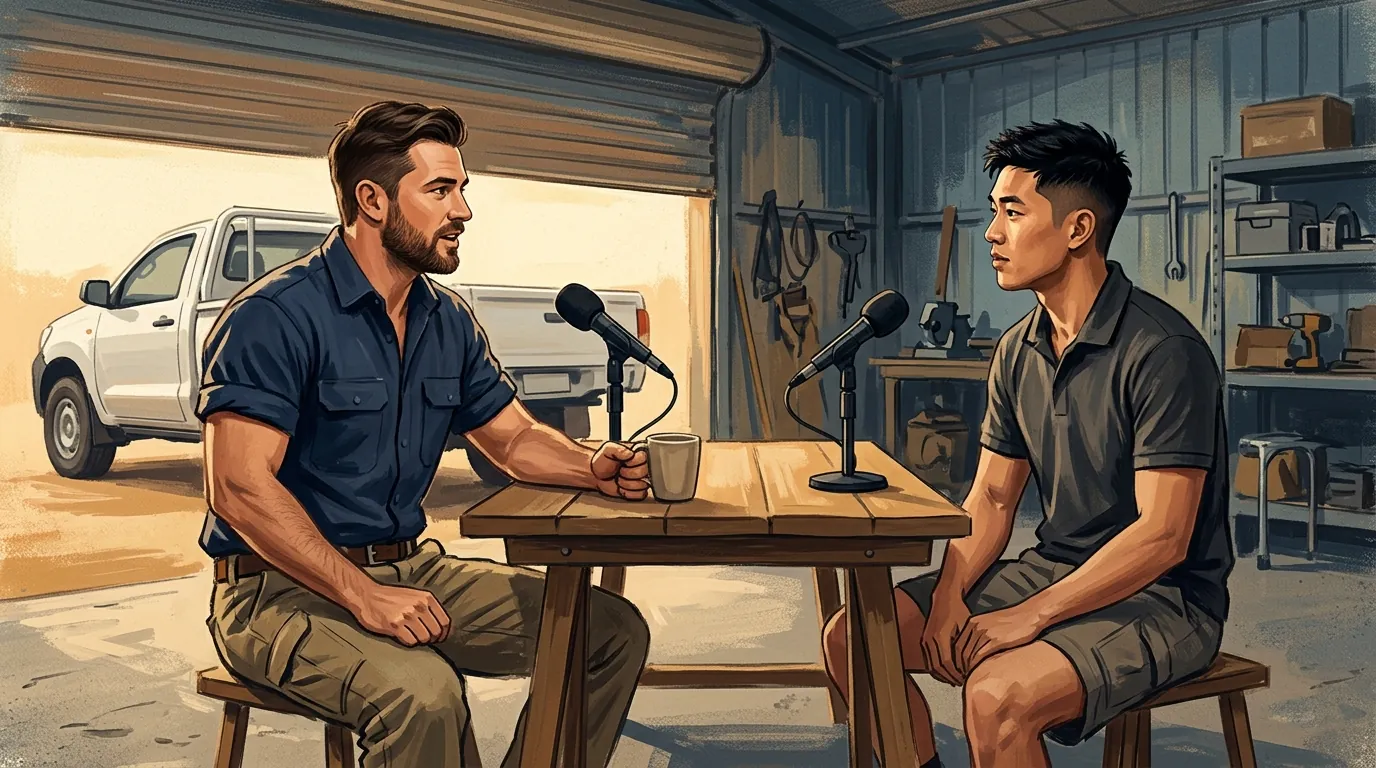
Tradies Success Podcast
Real stories from trade business owners who stopped doing everything themselves and started building something that works without them.
65+
Episodes
2.96K
YouTube subscribers
4.7★
Spotify rating
5.0★
Apple rating
Latest Episodes
Every episode, searchable.
From pricing and hiring to burnout and buy-back time, each episode digs into one problem trade owners actually face. Search by topic or title.
65 of 65 episodes
$90K Loss, to 7 Trucks
The No BS Scaling Framework 2025
December Domination
Building Your Team Performance Roadmap
After the First Hire, Everything Changed
How One Bad Hire Nearly Derailed My Business
Trade Business Secrets - Customer Curiosity
Managing Billable Hours in a Growing Business
Why Playing it Safe Will Keep You On The Tools
Managing Staff in My Trade Business
Workwear in the Trade Industry with KingGee
Why Being Flat Out Is the Fastest Way to Go Broke
The Hidden Profit Killer Every Tradie Overlooks
Why Some Members Pull Ahead and Others Get Stuck
From 16-Hour Days to Present Parent
The Hidden Price of Cheap Staff
Still Doing It All? The Multiplier Effect
SOS: Quick Leads
Pricing Fundamentals - Key Elements for Profit
A Growth Mindset for Trade Business Owners
Construction Secrets - Sole Trader to Big Business
Consistent Leads Without Wasting Money on Ads
Family, Fatherhood & Building A Trade Business
From Sparky to Business Owner with Josh Graham
Tradie Burnout: Why You Feel Stuck
Electrical Business Growth - Quadrupled Revenue
Business Software You NEED as a Tradie
The No. 1 Habit Holding You Back
From Burnout to Balance - A Plumber's Story
Don't Work Harder, Work Smarter
Financial Training Saved My Trade Business
Stop Chasing Revenue, Start Chasing Profit
Ready for the Change? This Is Your Year
Fix this and your Business Will Grow
HVAC - Built A Team Of 14 with Ben Doran
EV Electrician - Right Hires with Chris K
Boat Builder - Knowing Your Numbers
HVAC - Sole Trader To Team Of 5
Agroforestry - Every Trade Can Learn
Why NOT Hiring Is Holding You Back
Trade Sales Explosion - Sell More
Painting Business - Painter To Big Business
Profitability Secrets
Electrician - Remarkable Customer Experience
Plumbing Business - The Power Of Identity
Electrician - Real Cost of Hiring Wrong
Building Business - Growth Strategies
Pricing Strategies for Trade Business Owners
Sole Trader to Scale Up - Growth Roadblocks
Electrician - Sparky Tips for Growing
Landscaping - Sole Trader to Big Business
Start Strong - How New Owners Can Build
This Grew my Business more than anything
Scale Business, Build Team & Create Time Freedom
Plumbing Owner Growth & Family
Painting Growth - Building Your Team
Systems and Leadership to Scale
Lead Generation, Google Ads & SEO
The Multiplier Effect - Delegating For Impact
Get Leads & Win More Jobs, Digital Marketing
Power of Personal Development
Mastering AI Tools for Trade Owners
Business Challenges & Tech Efficiency
Manage When You Can't Find A Hire
Managing Family & Your Tradie Business
Beyond the Podcast
Want more than an episode a week?
The podcast is the free sample. If you want me on your actual business, have a chat with me. It is by application, and places are limited.

The Crew, daily Q&A and starter courses. Free with an active ABN. No card, no trial clock.
Walk away knowing the first job to take off your plate, worked out on your own numbers. Free and by application. If Greg is full, you join his waitlist and he invites you.
An episode a week is a start. Me on your actual numbers is faster.