When operations overwhelm you, you stop selling. You stop marketing. You stop looking after yourself. This is the pattern that traps trade business owners in the growth phase, and understanding why it happens is the first step to breaking it.
What actually happens when you hire your first tradesperson?
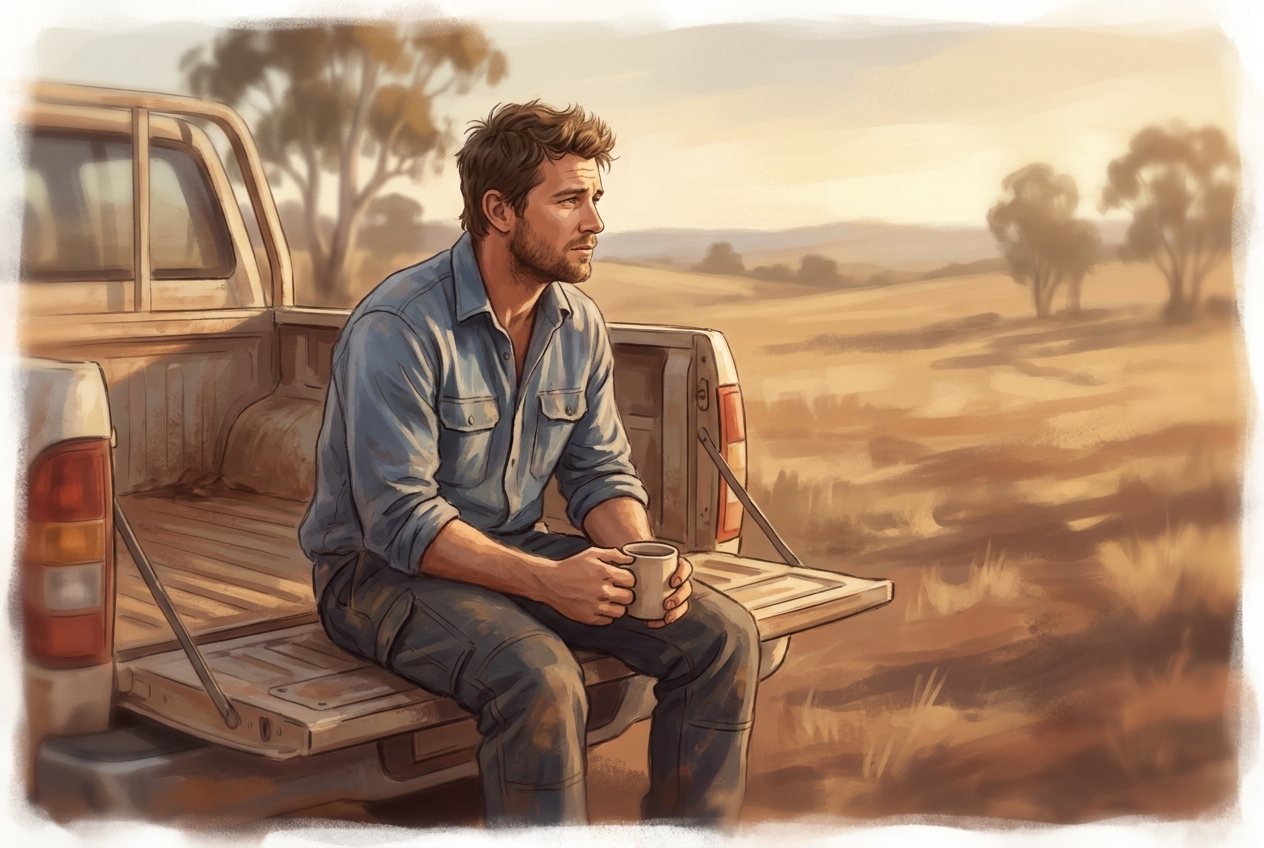
When you hire your first tradesperson, you suddenly have time. You catch up on quotes, invoices, parts orders, and admin. Then you run out of obvious tasks and the default move is to go back on the tools. That is a trap. Going back on the tools puts you straight back into the reactive cycle: busy, then quiet, then busy again.
The right move is to use that freed-up time to fuel your tradesperson's capacity through sales and marketing. Following up quotes in a systematic way is one of the biggest lost opportunities in a trade business. That work alone can make a significant difference to your revenue.
Why does the busy-quiet cycle keep repeating?
The cycle repeats because operations always fill your available time. Once you have two tradespeople, your whole day gets consumed by emails, phone calls, quoting, invoicing, scheduling, chasing clients, and managing the team. There is no time left for sales or marketing, so the pipeline dries up. When it dries up, you slow down. When you slow down, you go back on the tools. Then it picks up again and the cycle restarts.
This is the ceiling of the growth phase. Every day is operations and admin, with no time for growth activities. The business is not moving forward, it is just spinning.
How does your time as a business owner limit growth?
Think of your time as a jug. Every opportunity that comes in pours into that jug. When the jug is full, opportunities overflow and are gone forever. You cannot get them back. The only way to create more room is to pour some of what is filling your jug into someone else's, which means hiring. Each hire creates an extra layer of capacity and flexibility in your schedule.
Hiring a tradesperson moves onsite work out of your jug. But if you then fill that recovered time with admin and operations, you hit a new ceiling. That ceiling only breaks when you hire a full-time admin.
What does hiring a full-time admin actually change?
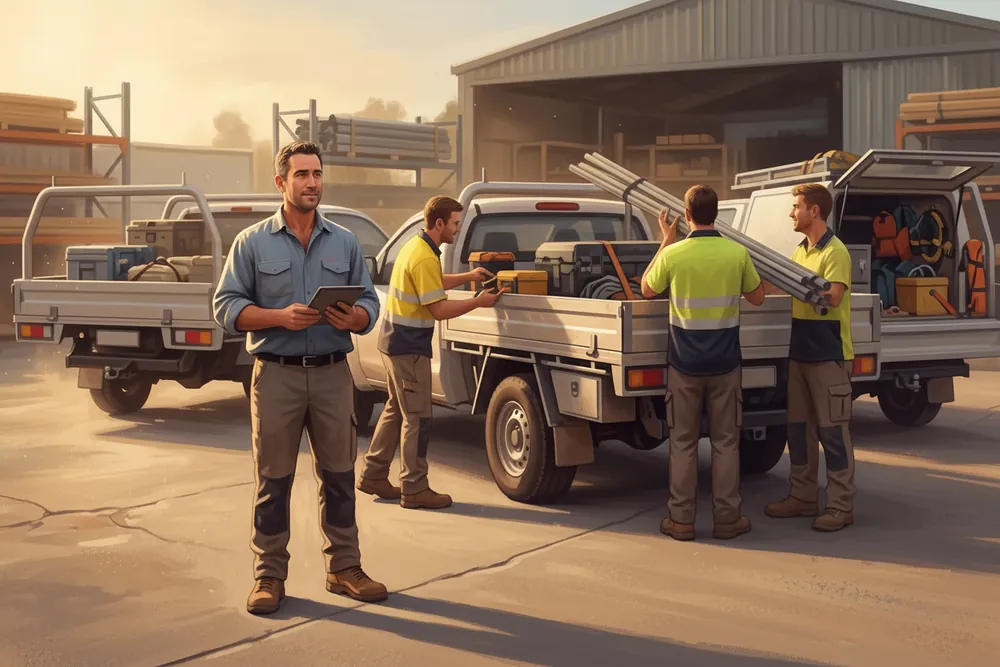
With a full-time admin in place, the admin and operations work moves out of your schedule. That gives you time to sit in the sales, marketing, and project management space consistently, not just when things happen to be quiet. You can train and develop your team properly instead of reacting to problems. You can follow up quotes, oversee jobs, and make strategic decisions with a clear head.
At around two tradespeople, you are likely carrying roughly 20 hours of administration work per week. Even if the admin is not fully loaded from day one, you will find work to give them. Create the capacity and you will grow into it. That is the core philosophy: hire ahead of the work, not behind it.
What should you look for when hiring your first admin?
Hire on skill set and culture fit, not on availability. The first admin hire should have genuine experience doing the work you need done. An experienced admin comes in, understands the role, and gets moving without needing you to train them through every task. That is what creates freedom quickly.
Hiring someone who is available but inexperienced means you spend time training them instead of running the business. That is the same lost opportunity you were trying to escape. Take your time, wait for the right person, and do not compromise on experience for that first hire.
How does the growth phase connect to what comes next?
The goal of the growth phase is to hire a full-time admin. Once that happens, you move into the expansion phase, where you sit as the operations manager overseeing delivery, no longer doing the admin and no longer on the tools. After that, the goal is to hire an experienced full-time ops manager, which lets you move into a general manager role focused on sales and marketing.
Each phase shift carries real risk, and it pays to manage the transition carefully. Hiring the wrong admin, for example, can damage team culture. Getting the right person, someone experienced who fits your culture, sets the foundation for everything that follows.